About Smart Space Forum
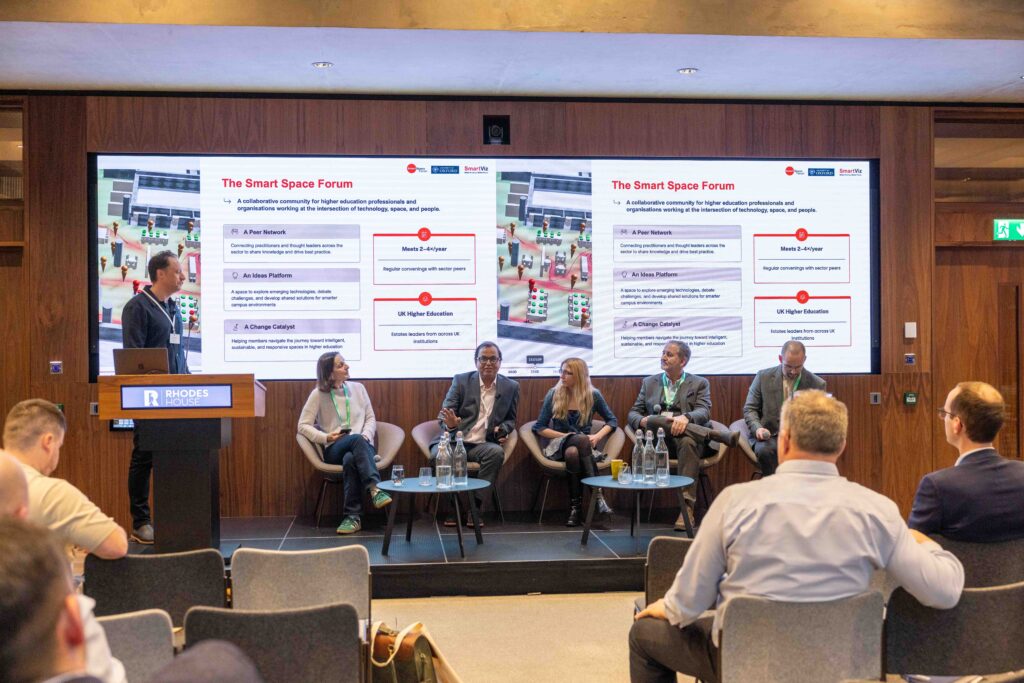
The Smart Space Forum exists to bring together university estates leaders to share practical experience, challenge conventional thinking and accelerate better evidence-based estate decisions. We meet two to four times a year to engage in open and active conversations about the future of university estates.
The July 2026 session drew a deliberate cross-section of the sector:
- Russell Group: University of Oxford, University of Glasgow, University of Leeds, University of Sheffield
- Modern / post-92: Oxford Brookes University, Glasgow Caledonian University, University of Westminster, University of Wolverhampton, Leeds Trinity University, University of Reading, Cardiff Metropolitan University
- Specialist & international: SOAS University of London, Trinity College Dublin
Join the conversation:
SmartViz welcomes leaders from across the sector to join the conversation to:
- Develop ongoing relationships with distinguished peers from a select group of established and innovative establishments.
- Apply the experience and knowledge gained from the Forum to address issues and opportunities within your own organisation.
- Help shape the future of estate and space management by influencing the vision, direction and solutions for managing the built environment
Forum Calendar:
| Series | Time | Location |
|---|---|---|
| Smart Space Forum #1 | November 2025 | Virtual |
| Smart Space Forum #2 | 18 March 2026 | UHEI Oxford |
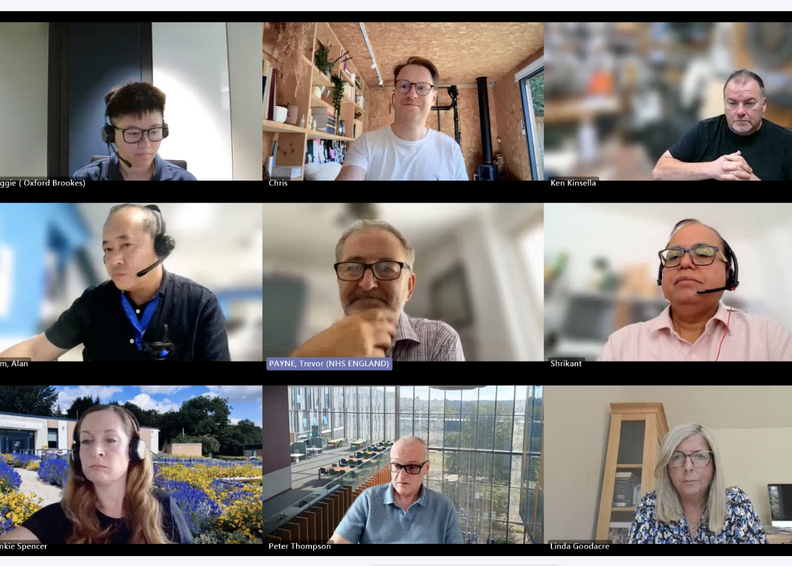
| Smart Space Forum #3 | 10 July 2026 | Virtual |
| Smart Space Forum #4 | 24 November 2026 | UHEI Birmingham |
Contact information:
Trevor Payne, Forum Chair: trevor@smart-viz.com
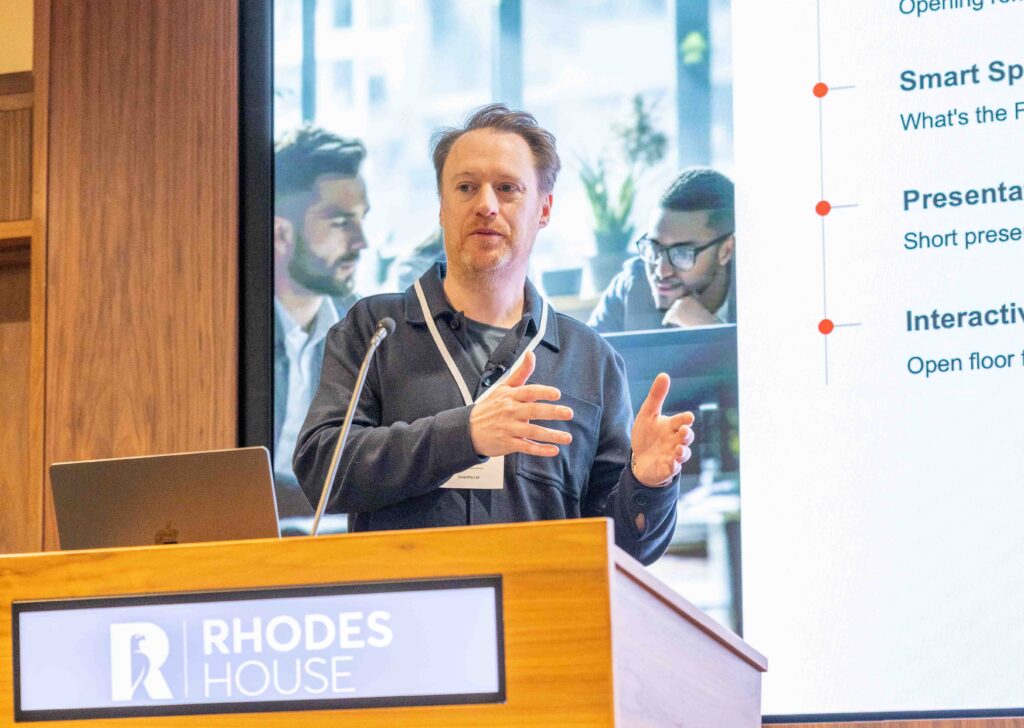
Chris Bowie-Hill, Facilitator: chris@smart-viz.com
Shrikant Sharma, Provocateur: shrikant@smart-viz.com
Press & Media:
- Times Higher Education: University teaching spaces ‘only used 20 per cent of the time’
- Forum official PR: The savings universities are chasing are hiding in their own underutilised buildings
- Times Higher Education: Dealing with extreme heat ‘hugely problematic’ for universities
A collective voice for university and public-sector estates leaders
Challenging how we think about, manage and use our estates
The Smart Space Forum is an independent, peer-led community bringing together university and public-sector estates leaders to challenge assumptions, tackle shared problems and explore better ways to plan, manage and use our estates.
Through open discussion, shared experience and practical collaboration, we’re turning collective insight into action, helping create more efficient, sustainable and people-centred estates.
Why join the Forum?
Connect with peers
Build relationships with estates leaders across universities and public sector organisations facing similar challenges.
Learn from shared experiences
Exchange practical approaches, learn from successes and setbacks, and discover ideas you can apply to your own estate.
Shape what’s next
Contribute your experience to shared guidance, tools and practical solutions that can benefit the wider sector.
Where we are taking action
Our work focuses on three interconnected areas, bringing together better evidence, practical experience and fresh thinking to help estates leaders make meaningful progress.
Space use and data
Understanding how estates are actually used, improving visibility and making better-informed decisions.
Operations and future planning
Improving efficiency, sustainability and the future performance of our estates.
People and shared learning
Sharing knowledge, challenging established thinking and supporting positive change.
Our journey so far...
UK universities participation
Estate leaders‘ perspectives
Round of Forum in 2026
Forum white papers
From conversation to collective action
The Forum is evolving beyond discussion into an ongoing, member-led collaboration. Our ambition is to develop a growing collection of practical guidance, tools and real-world evidence that organisations can use, test and improve together.
By building on existing good practice and learning from one another, we can help accelerate change across the sector.
Guide
Practical approaches for estate transformation.
Toolkit
Shared methods, templates, data approaches and emerging AI applications
Evidence
Real examples, measurable outcomes and lessons learned
Upcoming session: Is your estate AI-ready?
Reimagining the estate from vision to action
Imagine understanding how every space in your estate is used, every hour. Combining that knowledge with information about energy, assets, costs and people’s experiences. And using AI alongside human expertise to identify opportunities and make better decisions.
Much of this is already possible today. But are our estates, data and ways of working ready to take advantage?
Across universities, healthcare and other complex estates, organisations are already demonstrating how accessible data, smart technologies and fresh thinking can unlock capacity, reduce costs and carbon, and improve experiences, without waiting for perfect systems or major capital investment.
Join the Smart Space Forum for an interactive, peer-led session featuring real-world examples, practical insights and a demonstration of how AI can turn even relatively simple estate data into meaningful intelligence.
Together, we’ll explore what’s holding us back, where AI can genuinely help, and how we can move from vision to practical action.
You’ll also have the opportunity to help shape an ongoing, member-led initiative to develop practical guidance, tools and real-world evidence that can benefit the wider sector.
Whether you’re just starting out or already making significant progress, join us to challenge assumptions, share experiences and help shape the future of our estates.
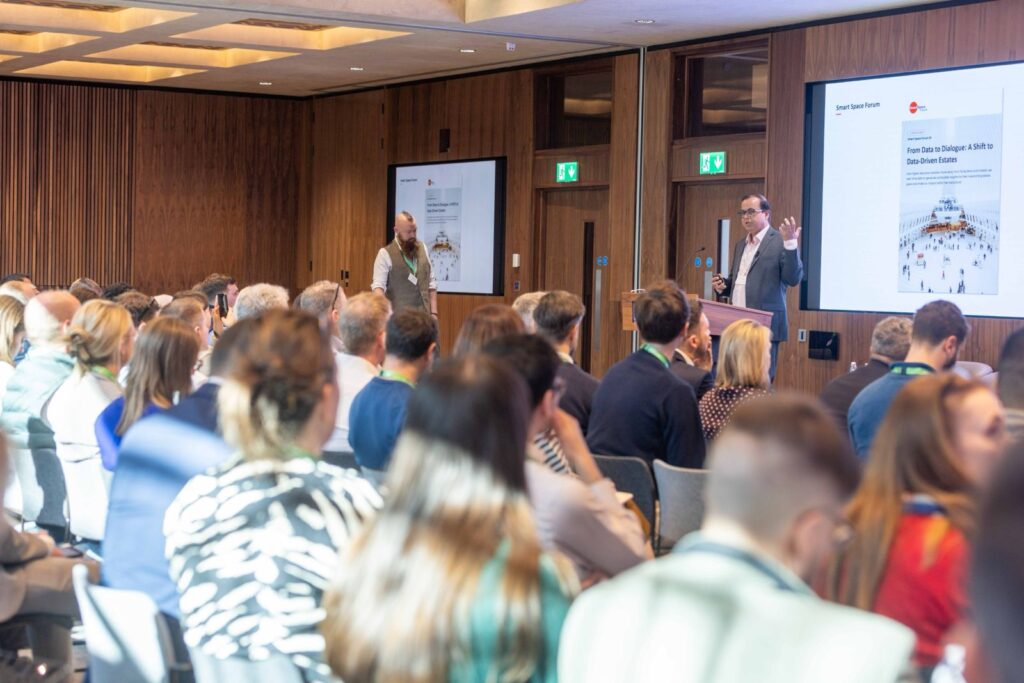
Event information:
Format : Interactive Forum & Workshops
Location : UHEI Birmingham (Edgbaston Stadium)
Date : Tuesday 24 November
Time : 4:20 – 5:50 pm (90 minutes)
Contact us to join the Forum:
Jenny Tai
Smart Space Forum Coordinator
jenny@smart-viz.com
Insights from the Forum
The discussion reinforced a common view across the Forum: the challenge facing universities is not simply reducing costs, but making better-informed decisions about how estates are planned, managed and used.
Insight 1: Hidden capacity is already there
Better use of existing buildings can create opportunities to avoid unnecessary investment, consolidate space and reduce operating costs.
“The money universities are being asked to find is often already there. It’s sitting in the buildings they already own.” – Director of Estates
Insight 2: Better evidence changes behaviour
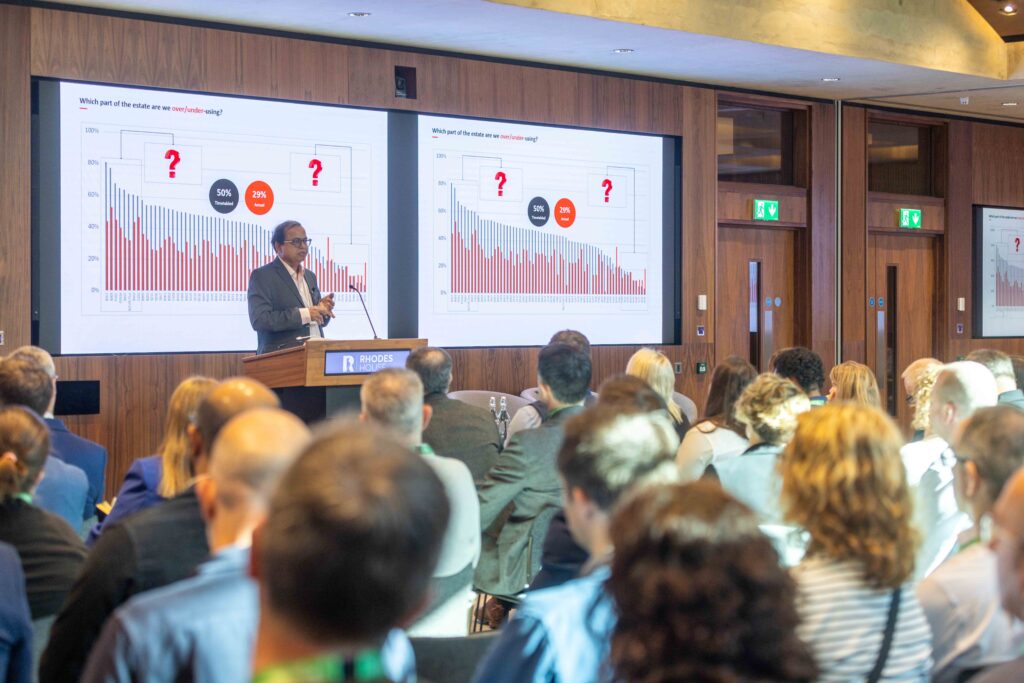
Comparing timetabled bookings with actual attendance can reveal underused teaching spaces and support better decisions about allocation and scheduling.
“The opportunity is to compare timetable bookings with actual attendance, identify’ ghost bookings’ and use that evidence to influence behaviour.” – Director of Estates
Insight 3: Visibility creates new possibilities
200 seats created by repurposing an underused office
“We created a new 200-seat teaching space by repurposing an office that was being used only around 10% of the time. It is now one of our busiest teaching spaces.” – Head of Space Planning
Insight 4: Measure what really matters
Traditional metrics don’t always reflect how efficiently buildings support the people using them.
“We’ve spent years measuring energy per square metre. The more meaningful question is energy per person using the building.’’ – Head of Estates Digital and Insight
Explore our publications
Latest white paper
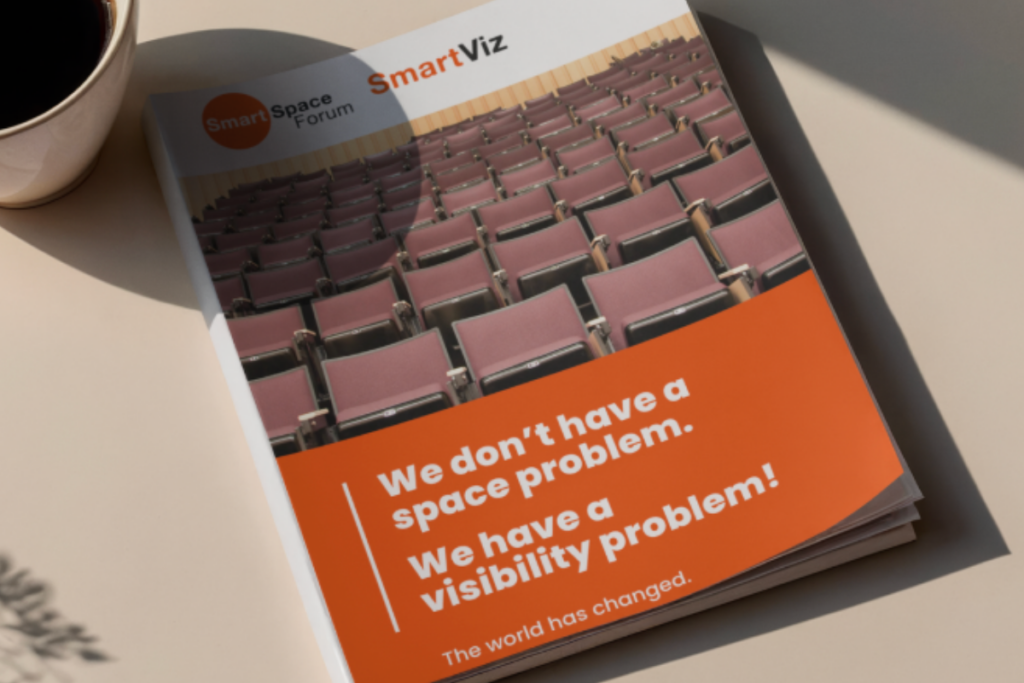
We don’t have a space problem. We have a visibility problem
Exploring how better understanding of space utilisation can reveal hidden capacity and support smarter estate decisions.
White paper
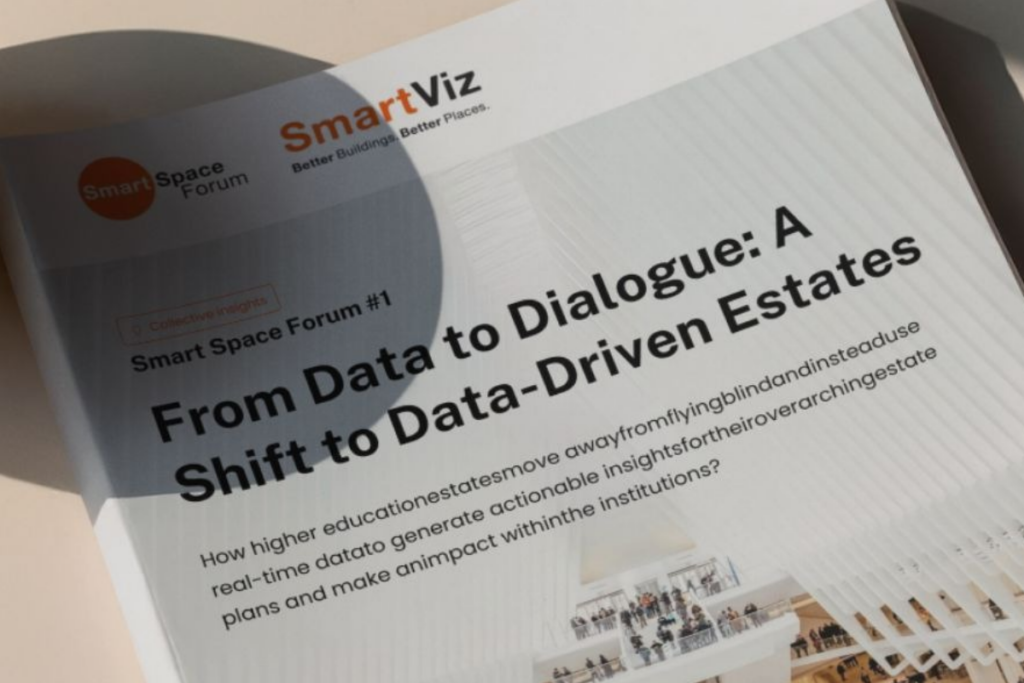
From Data to Dialogue: A Shift to Data-Driven Estates
Insights from university estates leaders on moving beyond fragmented information towards more confident, evidence-based decisions.
Smart Space Forum in the news
University teaching spaces ‘only used 20 per cent of the time’
Times Higher Education
The savings universities are chasing are hiding in their own underutilised buildings
Forum official PR
Dealing with extreme heat ‘hugely problematic’ for universities
Times Higher Education