

Background
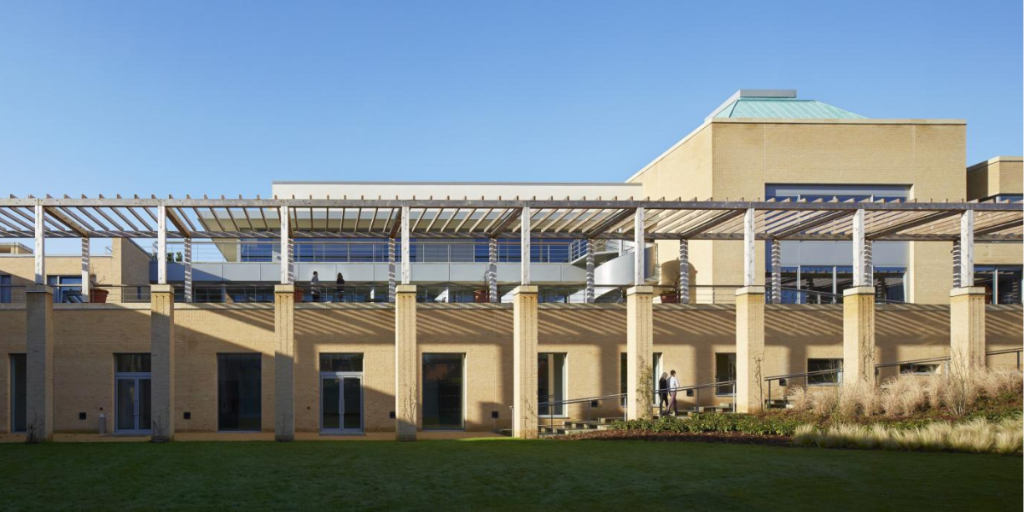
The University of Oxford manages one of the most complex estates in the world. Operating more as a city than a traditional campus, it has over 300 buildings ranging from historic heritage assets to modern world class research facilities.
At the same time, changing patterns of teaching, research and hybrid working are fundamentally reshaping how space is used.
The 2035 Estate Strategy demands improvements in efficiency, environmental impact, and student and staff experience. And, with multiple stakeholders across the colleges and central facilities, the estate team must balance new investment requests with existing campus maintenance.
To do this, they need reliable, accurate and trusted data to de-risk decision making across the estate.
Challenge: Are we using our estate in the right way? And how do we know?
The university faced difficult challenges:
- Increasing costs: The cost of running the estate is significant. Every building is heated, cleaned, maintained and secured – often whether it is fully used or not. After staffing, the estate is one of the University’s largest areas of expenditure, with energy alone accounting for tens of millions of pounds each year.
- Changing expectations and behaviour: Hybrid learning has changed student and faculty interaction with the campus, so space usage now varies across days, weeks and academic terms. And, a more diverse community demands different experiences in lighting, heating, noise and capacity.
But the most fundamental challenge was how to derisk decision making with indisputable evidence.
Historically, understanding how space was used relied on periodic surveys – manual snapshots providing only point-in-time views of utilisation, rather than a continuous understanding of how buildings perform over time. This made the data easily questionable, and difficult to justify decisions around:
- Space allocation
- Building consolidation
- Operational changes
- Future investment
‘Without robust data, even well-founded proposals could be questioned or delayed. With SmartViz, data is always robust!
-Trevor Payne, Director of Estates, University of Oxford
Solution: From snapshot data to continuous intelligence
SmartViz created a continuous, real-time view of how the Oxford University estate is used. Low cost “peel-and-stick” IoT sensors were rapidly and non-intrusively deployed without disruption. In the Bodleian Library the sensors were even painted in heritage colours.
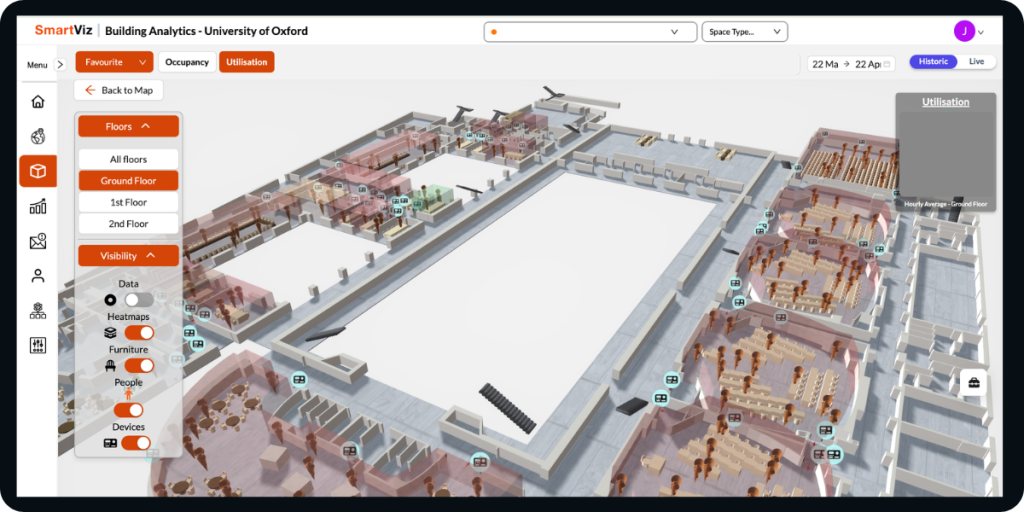
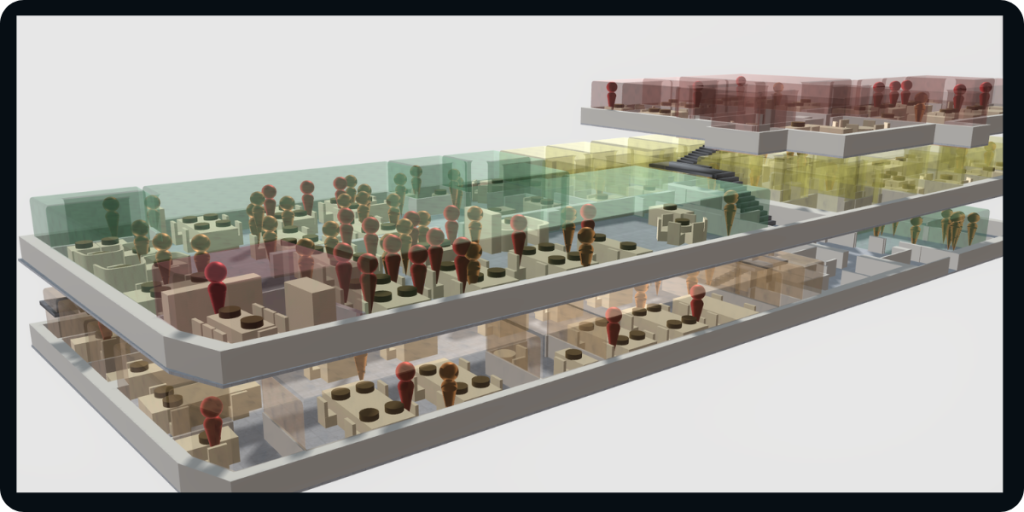
SmartViz’s digital twin platform combined data from occupancy and utilisation, environmental conditions, and existing systems such as BMS and Cisco Webex into a single, integrated and continuously updating layer of insight.
Crucially, this data is not just aggregated. It is made usable and interpretable for senior decision-making.Through visualisation, trends and historical analysis, complex information is accessible across technical and non-technical audiences.
Impact: From assumptions to evidence driven decisions
This data driven approach delivers practical impact across operations, planning and strategy – shifting the estate from reactive management to proactive, evidenced decision making. Key wins to date include
1. Managing complex renovations without disruption
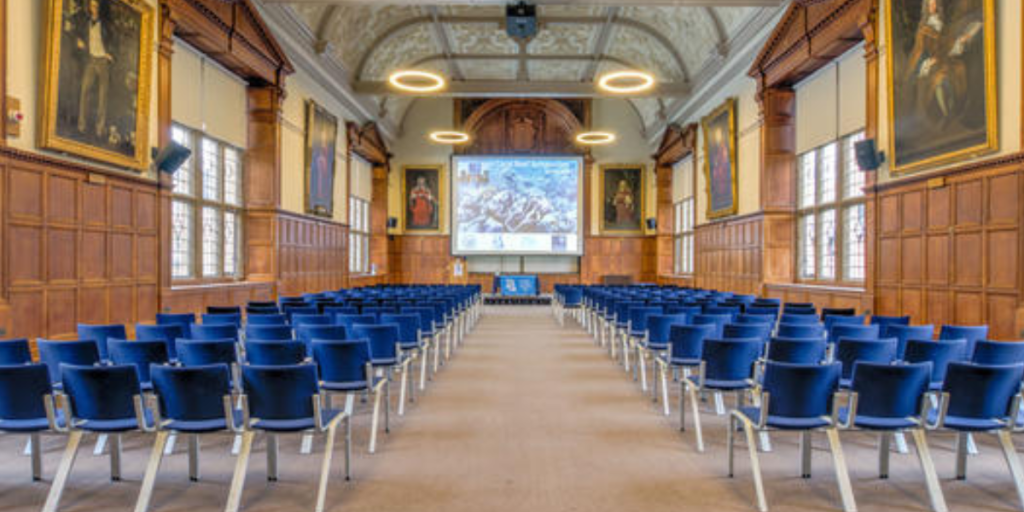
The data is actively supporting planning for major heritage building upgrades, reducing risk and improving confidence. Occupancy insights are used to inform decant strategies for the Examination Schools. By understanding previous building utilisation, temporary space requirements during refurbishment can be accurately planned and essential upgrades delivered. All without disrupting academic activity or compromising the student experience.
2. Improving operational efficiency and reducing costs
The data aligns building operations more closely with actual demand, translating small operational adjustments into significant cost, energy and carbon savings. This includes:
- Reducing energy use during low-demand periods
- Adjusting cleaning and maintenance schedules
- Closing buildings during weekends or quieter periods outside term time
3. Understanding behaviour and improving space design
The platform is revealing behaviour patterns that were previously unseen. Heat mapping shows rooms located closer to lifts or coffee areas are used significantly more than others on the same floor. These insights are laying foundations for future design decisions and improving space configuration across the estate.
4. More confident and transparent decisions
Most significantly, the availability of robust evidence allows the estate team to have open conversations with university leadership. This transparency helps drive a cultural shift where bold decisions about closing or consolidating buildings are backed by facts rather than assumptions.

“SmartViz brings the data to life, and that’s really important when you’re trying to get support to make quite bold decisions.”
- Trevor Payne, Director of Estates, University of Oxford
Project Scale
An initial deployment representing a cross-section of the estate enables the team to prove results before rolling out at scale:
“Decisions that were previously open to challenge can now be supported with a clearer and more consistent evidence base. In environments where space has historically been sensitive, this is a critical shift.”
-Trevor Payne, Director of Estates, University of Oxford
Next steps: Building a responsive and interactive campus
The successful pilot has identified the potential to realise significant deliverable savings in operational budgets regarding potential surplus space and its servicing costs. The university is now moving to scale where data enables an optimised experience across the entire campus and delivers across:
- Efficiency: aligning operations and cost with demand by linking occupancy data to services such as cleaning and catering.
- Environment: reducing energy use through smarter operation and better alignment of space provision with user needs
- Experience: improving how spaces support students and Students will eventually be able to use an app to find workspaces that match their noise, temperature and occupancy preferences

“SmartViz helps us have open and honest conversations about how we could do things differently.”
– Trevor Payne, Director of Estates, University of Oxford
Ready to transform your building management?
Book a Demo with SmartViz Today to discover how our digital twin and IoT technologies can help you optimise building operations and take the next step towards data-driven decision making and sustainability.
Book your demo on www.smart-viz.com