Managing a large estate can feel like running a marathon in the dark. Many organisations are flooded with data from automated HVAC systems and smart lighting, yet their spaces still feel disconnected. Offices and classrooms sit empty, desks are under-utilised, and meeting rooms don’t match how people actually work or study today. Most smart buildings focus purely on systems automation; however, they ignore the most important element: people in the buildings.
Optimising your space, saving energy, and cutting costs all start with one simple step: seeing how your buildings are used in real time. At SmartViz, our human-centric building analytics platform has helped organisations like Vodafone and the University of Oxford make confident estate decisions that boost user experience and lower costs.
1. Make confident estate decisions with data-driven evidence
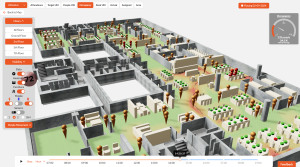
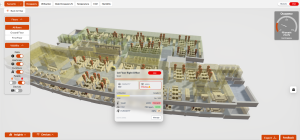
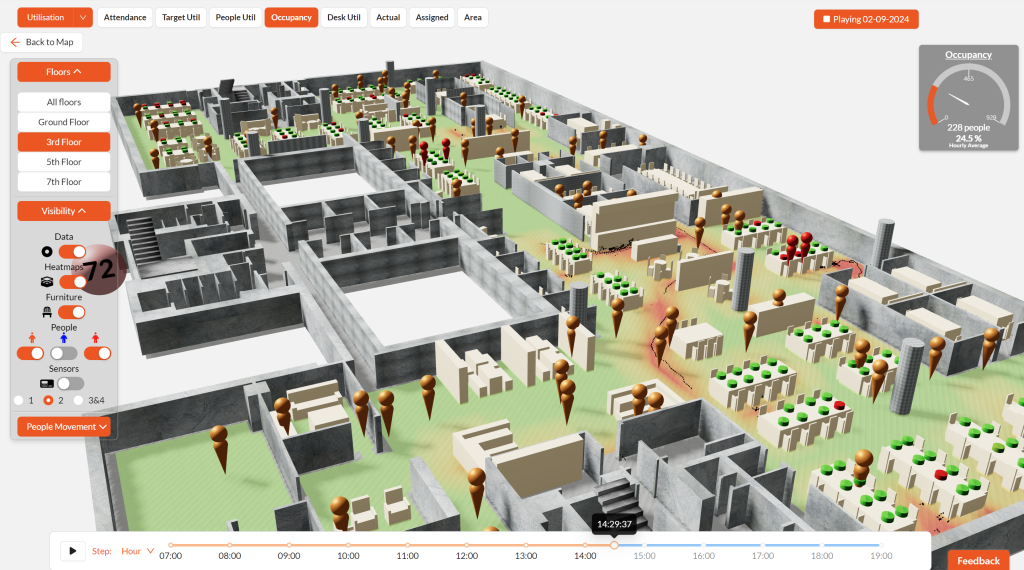
When your systems operate in silos, you get data overload instead of clear answers. Our building analytics platform fixes this by connecting Building Management Systems (BMS), IoT occupancy insights, timetabling, and collaboration systems like Cisco Webex into one intuitive dashboard and 3D digital twin.
The real-time analytics and insights provided by this platform help organisations not only streamline data across a global portfolio of properties and assets, but also truly understand space use. The platform shows trends and patterns and allows you to go back into the history and delve into previous data to see exactly how each of your spaces perform over time.
Most importantly, the availability of robust evidence allows the estate team to have open conversations with the leadership team in the organisation. This transparency means bold decisions, like consolidating under-utilised spaces, are backed by solid facts rather than guesswork.
Read more: How SmartViz helped Vodafone cut multi-million dollar costs while improving space utilisation
Read more: How University of Oxford used real-time intelligence to drive efficiency and sustainability
2. Reduce running costs by using what you have
We understand that building an extension or buying a new property is rarely the best answer to a space shortage. Implementing real-time analytics often reveals that you already have all the space you need. By optimising your current footprint, you can dramatically lower capital and operational costs. It helps you:
- Maximise space use to avoid expensive, unnecessary construction.
- Drop energy bills by powering down systems in empty zones during off-peak hours.
- Schedule cleaning based on live foot traffic, not a rigid rota.
- Close quiet wings during weekends, university holidays or public holidays.
- Right-size meeting rooms to match real, historical demands.
3. Design spaces where people thrive
True smart building management puts user experience first. Our building analytics platform uncovers hidden behavioural patterns which helps to improve space planning. For instance, digital twin heat maps shows that rooms near coffee stations get twice as much use as others on the same floor. By tracking live environmental data like temperature, humidity, and CO₂ and real-time occupancy analytics, organisations can create healthier, more inspiring environments where students and employees are enabled to find a workspace or study areas that fit their exact preferences for noise and temperature, directly boosting their daily wellbeing and productivity.
Read more: Boosting workplace productivity with real-time analytics
Read more: Why truly smart buildings focus on people